The Estate
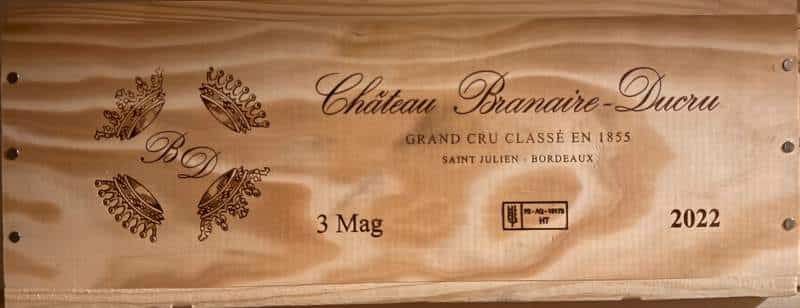
Château Branaire-Ducru 2006 — Fourth Growth Excellence
Château Branaire-Ducru 2006 represents one of the most distinguished estates in Saint-Julien, honored as a Quatrième Grand Cru Classé in the historic 1855 Classification. Moreover, the château has maintained its reputation for producing wines of exceptional consistency and refinement across nearly two centuries. Indeed, Branaire-Ducru embodies the classical elegance that defines Saint-Julien, the smallest yet most regular of the major Médoc appellations with just 910 hectares under vine.
The estate crafts wines that blend power with finesse, achieving a balance that places them among the appellation’s finest Fourth Growths. Furthermore, the château’s vineyard holdings benefit from prime gravel terroirs that produce Cabernet Sauvignon-dominant wines of remarkable depth and ageing potential. Consequently, vintages such as 2006 demonstrate the estate’s ability to express both the terroir’s character and the year’s distinctive qualities.
This Lot
Available as 3 magnums — ideal for collectors and long-term cellaring.
Terroir & Grapes
Classic Saint-Julien Gravel Terroir
The estate’s vines thrive on deep gravel beds characteristic of Saint-Julien’s finest terroirs, providing exceptional drainage and heat retention essential for ripening Cabernet Sauvignon. Additionally, these Günzian gravel soils encourage the vines to root deeply, extracting mineral complexity that defines the appellation’s distinctive profile. While Saint-Julien remains the smallest major Médoc appellation, it consistently produces wines of remarkable quality and typicity. The blend follows the Left Bank tradition, with Cabernet Sauvignon leading the assemblage, complemented by Merlot for roundness and smaller proportions of Cabernet Franc and Petit Verdot for aromatic complexity.
Grape Blend
Cabernet Sauvignon, Merlot, Cabernet Franc, Petit Verdot
Classification
4ème Grand Cru Classé 1855
Region
Saint-Julien, France
Vinification & Ageing
Traditional Médoc Craftsmanship
The winemaking team employs traditional Médoc methods, beginning with temperature-controlled fermentation in stainless steel vats to preserve the fruit’s purity and aromatic precision. Moreover, careful extraction techniques during maceration draw optimal color, tannin structure, and flavor complexity from the grapes without harshness. Subsequently, the wine undergoes malolactic fermentation before the crucial élevage period in French oak barrels, where a proportion of new wood integrates subtle vanilla and spice notes while allowing the wine to develop complexity and textural refinement over sixteen to eighteen months.
2006 in Saint-Julien — Structured Classicism
The 2006 vintage proved particularly successful in Saint-Julien and Pauillac, where Cabernet Sauvignon-led blends reached optimal ripeness with remarkable structure. Indeed, Saint-Julien maintained the same high level of quality as the preceding year, demonstrating the appellation’s legendary consistency. A July heatwave advanced ripening, while cool August nights preserved crucial acidity and allowed the grapes to develop depth without losing freshness. Consequently, the vintage produced firm, structured wines with classic proportions, though they require patience to reveal their full potential. Furthermore, Saint-Julien’s châteaux crafted wines of impressive balance, combining concentrated fruit with the refined tannins characteristic of the appellation’s best expressions.
Tasting Notes
Dense, Mineral-Driven Expression
The wine presents a richly layered bouquet that remains somewhat reserved, revealing ripe yet fresh blackcurrant fruit intertwined with mineral undertones, cedar wood, and subtle spice. Moreover, the palate displays impressive density and sweetness, offering château-typical flavors of cassis, graphite minerals, and dark chocolate with excellent breadth. The finish extends gracefully, showing pure fruit character alongside spreading tannins and lingering notes of black cherry and stony minerals. While the structure remains firm, the wine demonstrates the classic Saint-Julien balance between power and elegance, promising rewarding evolution with additional cellaring time.
Service & Pairing
Cellaring & Service Recommendations
Temperature
16–18°C
Cellaring Potential
2024–2035
Decanting
2–3 hours recommended
Glassware
Large Bordeaux glass
This classic Saint-Julien pairs magnificently with roasted lamb with herbs de Provence, demonstrating the traditional Médoc affinity for perfectly cooked red meats. Additionally, the wine’s mineral structure and firm tannins complement aged beef preparations, such as côte de boeuf or entrecôte, particularly when served with shallot reduction or bordelaise sauce. Furthermore, the wine’s complexity harmonizes beautifully with game birds like roasted duck or guinea fowl, while mushroom-based dishes such as cèpe risotto or truffle preparations echo the wine’s earthy, forest-floor notes. Allow generous decanting time to unlock the wine’s full aromatic spectrum and soften its youthful structure.
— Discover —
You Might Also Like
Ready to Order
A masterpiece deserves a place in your cellar.
Secure checkout · Worldwide delivery · 50+ direct suppliers
🌍 Worldwide delivery · Fast & secure shipping
Switzerland · EU · USA · International · winesandspirits.ch
✦ Premium Fine Wine Selection · winesandspirits.ch ✦
🔞 Contains alcohol. Drink responsibly. Sale prohibited to persons under 18.