
-
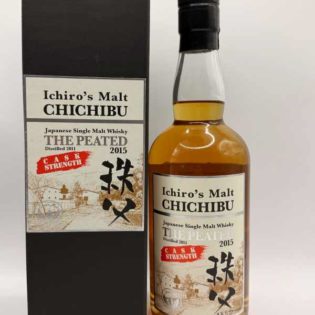
Chichibu Distillery (48)
chichibu whisky
-
Hakushu Distillery (3)
-
Hibiki Japanese Harmony (4)
-
Karuizawa Whisky (12)
-
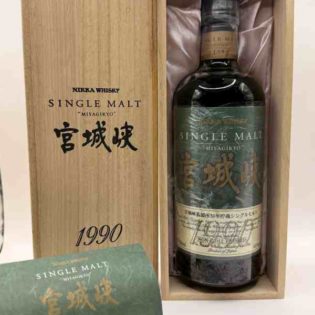
Miyagikyo Distillery (2)
-
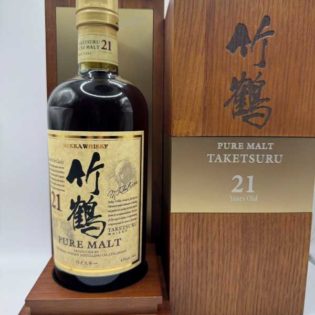
Taketsuru Pure Malt (2)
-
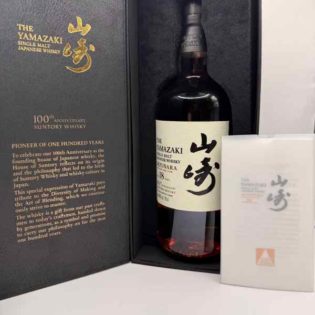
Yamazaki Distillery (21)
-

Yoichi Distillery (4)
Frequently Asked Questions
Japanese Whisky
-
What defines Japanese whisky and how is it regulated?
Japanese whisky follows strict production standards similar to Scotch whisky, requiring distillation in Japan, aging in oak casks for a minimum of three years, and bottling at no less than 40% ABV. The industry adopted the Japan Whisky Association guidelines in 2021 to ensure authenticity and quality. Key characteristics include precision in production, refined flavour profiles, and often the use of Mizunara oak, a rare Japanese wood that imparts subtle spice and sandalwood notes. -
Who are the major Japanese whisky producers?
Suntory and Nikka are the two largest and most established producers, with Suntory owning the Yamazaki and Hakushu distilleries, while Nikka operates Yoichi and Miyagikyo. Smaller but historically significant producers include Karuizawa, now a ghost distillery closed since 2011, whose rare bottles are highly sought by collectors. Other notable players include Hombo Spirits and Kirin, each bringing distinctive regional characteristics to their expressions. -
How does Japanese whisky differ from Scotch whisky?
While both follow rigorous production standards, Japanese whisky emphasizes delicate balance, subtlety, and precision over boldness, often featuring lighter, more floral or fruity profiles. Japanese producers tend to use a higher proportion of heavily peated malts from Scotland but express them more gently. The use of Mizunara casks and Japanese terroir create unique characteristics unavailable in Scotch, and Japanese whisky typically commands premium prices due to limited production and rarity. -
Why are rare Japanese whisky bottles valuable for collectors?
Rarity drives value significantly, especially for expressions from closed distilleries like Karuizawa or limited releases from Yamazaki and Hibiki. Auction prices for vintage Japanese whisky have soared over the past decade due to growing global demand, limited global supply, and scarcity in specific age statements. Ghost distillery bottles and special editions are considered investment-grade assets, with some bottles appreciating substantially in secondary markets. -
Where can I buy authentic Japanese whisky in Switzerland?
Authentic Japanese whisky in Switzerland is available through specialized premium retailers who verify provenance and guarantee authenticity. Reputable Swiss retailers like winesandspirits.ch curate selections from established importers and maintain proper documentation for each bottle. When purchasing, confirm the retailer's credentials, check bottle seals and labels carefully, and be aware that genuine bottles command higher prices than suspiciously discounted offers elsewhere.