

Showing all 4 results
-
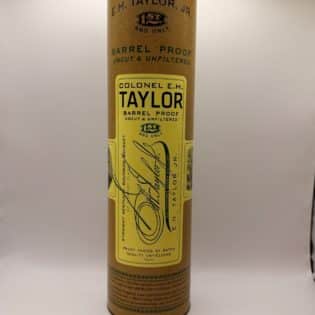
Colonel E.H. Taylor Barrel Proof Bourbon Buffalo Trace
CHF 555.00 + VAT for CH -
-
 SOLD OUTSOLD OUT
 -
Frequently Asked Questions
Bourbon Whiskey
-
What legally defines bourbon whiskey?
Bourbon must be produced in the USA, made from a mash bill containing at least 51% corn, aged in new charred oak barrels, and bottled at minimum 80 proof. These strict regulations ensure consistency and quality, distinguishing bourbon from other American whiskeys that may use different grains or barrel conditions. -
Which distilleries are considered iconic in the bourbon world?
Buffalo Trace, Heaven Hill, and Wild Turkey are among the most renowned bourbon producers. Buffalo Trace is famous for innovative releases and heritage brands, Heaven Hill operates the world's largest bourbon aging warehouse, and Wild Turkey is known for full-flavored, robust bourbons with distinctive character. -
How do I find allocated and rare bourbon releases?
Allocated bourbons like Pappy Van Winkle, Buffalo Trace Antique Collection (BTAC), and Eagle Rare 17 are highly sought and limited in supply. These releases require building relationships with retailers, entering raffles, or joining waiting lists. Staying informed through whiskey communities and premium retailers helps you discover availability when these bottles are released. -
What's the difference between bourbon, Scotch, and rye whiskey?
Bourbon is USA-made with 51%+ corn aged in new charred oak, while Scotch is made in Scotland with malted barley and aged in used barrels, often developing smoky flavors. Rye whiskey uses at least 51% rye grain and can be produced in the USA or Canada, typically offering spicier, peppery notes compared to bourbon's sweeter profile. -
Where can I buy premium and rare bourbon in Switzerland?
Switzerland's specialized wine and spirits retailers stock curated bourbon selections, including rare and allocated releases. Premium retailers like winesandspirits.ch offer access to sought-after bottles and expert knowledge. Building a relationship with a dedicated retailer in your region gives you priority access to limited releases and insider knowledge about upcoming allocations.