Showing all 18 results
-
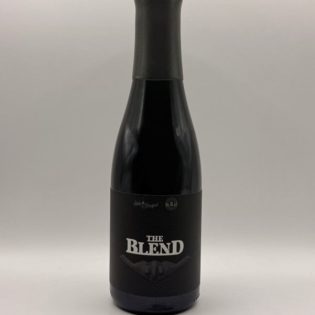
Side Project — The Blend
CHF 90.00 + VAT for CH -
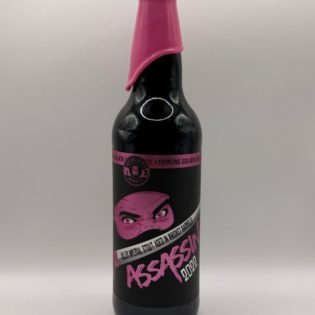
Toppling Goliath — Assassin 2022
CHF 185.00 + VAT for CH - Sale!

Toppling Goliath — Assassin 2025
Ursprünglicher Preis war: CHF 165.00CHF 149.00Aktueller Preis ist: CHF 149.00. + VAT for CH - Sale!
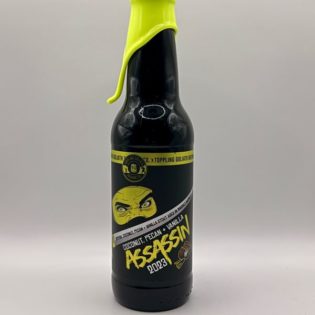
Toppling Goliath — Assassin with Coconut, Pecan and Vanilla (2023)
Ursprünglicher Preis war: CHF 275.00CHF 250.00Aktueller Preis ist: CHF 250.00. + VAT for CH - Sale!
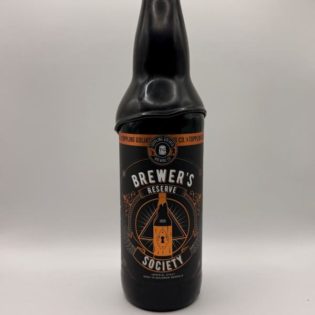
Toppling Goliath — Brewer’s Reserve Society BRS (2025)
Ursprünglicher Preis war: CHF 130.00CHF 119.00Aktueller Preis ist: CHF 119.00. + VAT for CH -
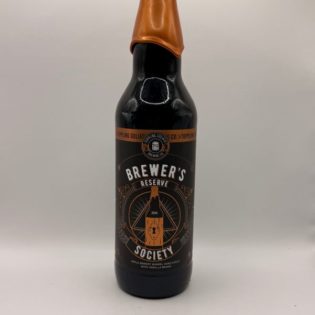
Toppling Goliath — Brewers Reserve Society TG (2024)
CHF 140.00 + VAT for CH - Sale!
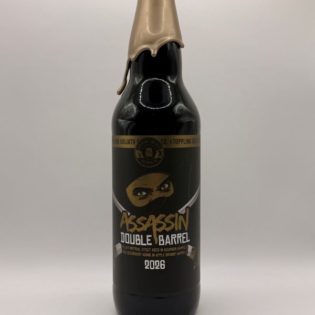
Toppling Goliath — Double Barrel Assassin (2026)
Ursprünglicher Preis war: CHF 399.00CHF 359.00Aktueller Preis ist: CHF 359.00. + VAT for CH - Sale!
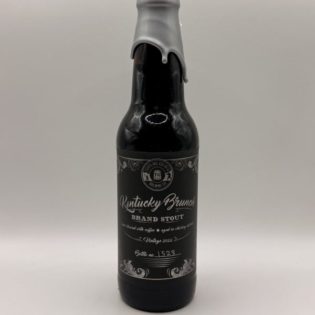
Toppling Goliath — Kentucky Brunch Brand Stout 2022
Ursprünglicher Preis war: CHF 465.00CHF 440.00Aktueller Preis ist: CHF 440.00. + VAT for CH - Sale!
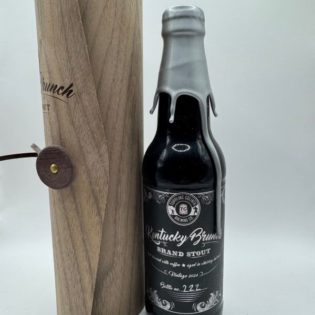
Toppling Goliath — Kentucky Brunch Brand Stout 2024
Ursprünglicher Preis war: CHF 385.00CHF 365.00Aktueller Preis ist: CHF 365.00. + VAT for CH -
 SOLD OUTSOLD OUT
Toppling Goliath — Kentucky Brunch Brand Stout Double Barrel (2022)
CHF 690.00 + VAT for CH - Sale!
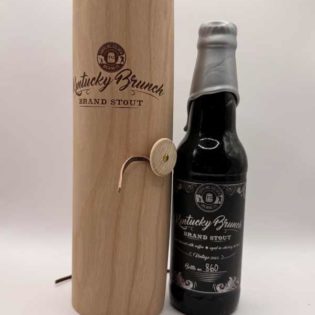
Toppling Goliath — Kentucky Brunch Brand Stout KBBS (2025)
Ursprünglicher Preis war: CHF 385.00CHF 359.00Aktueller Preis ist: CHF 359.00. + VAT for CH - Sale!
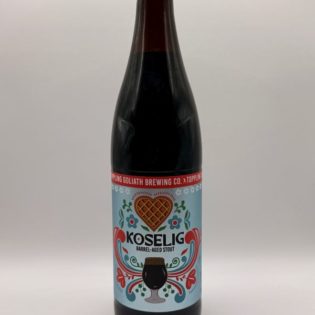
Toppling Goliath — Koselig BA
Ursprünglicher Preis war: CHF 85.00CHF 72.00Aktueller Preis ist: CHF 72.00. + VAT for CH - Sale!
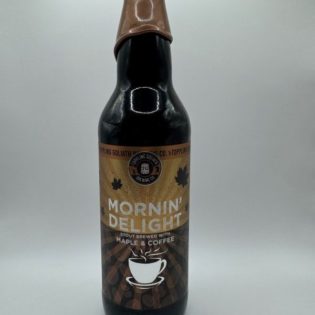
Toppling Goliath — Mornin’ Delight (2025)
Ursprünglicher Preis war: CHF 80.00CHF 72.00Aktueller Preis ist: CHF 72.00. + VAT for CH -
 SOLD OUTSOLD OUT
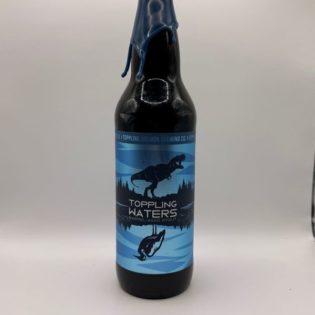
Toppling Goliath — Toppling Waters
CHF 50.00 + VAT for CH -
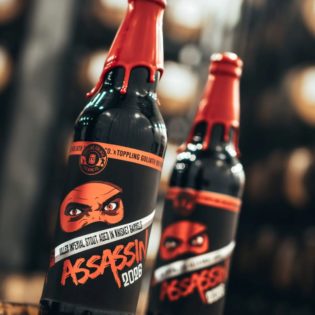
Toppling Goliath Assassin 2026 Imperial Coffee Stout
CHF 200.00 + VAT for CH -
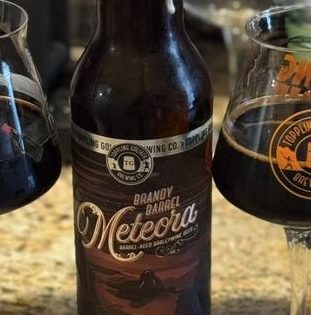
Toppling Goliath Brandy Barrel Meteora | Barrel-Aged Barleywine
CHF 250.00 + VAT for CH - Sale!
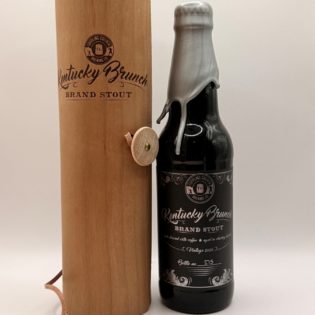
Toppling Goliath Kentucky Brunch Brand Stout 2020 Imperial Stout
Ursprünglicher Preis war: CHF 579.00CHF 500.00Aktueller Preis ist: CHF 500.00. + VAT for CH - Sale!
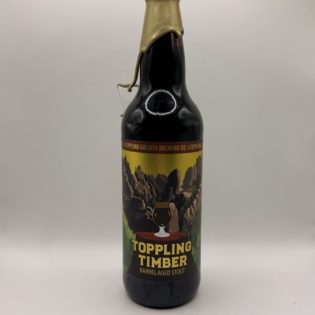
Toppling Timber Toppling Goliath Brewing Co.
Ursprünglicher Preis war: CHF 85.00CHF 72.00Aktueller Preis ist: CHF 72.00. + VAT for CH
Frequently Asked Questions
Toppling Goliath Brewing Co.
-
What is Toppling Goliath Brewing Co. and where are they from?
Toppling Goliath Brewing Co. is an American craft brewery founded in 2010 by Jeff Sparks in Decorah, Iowa. The brewery has earned an international reputation for producing exceptional hop-forward beers and innovative brewing techniques, becoming one of the most sought-after craft breweries in the United States despite its small-scale production. -
Why is Toppling Goliath famous in the craft beer world?
Toppling Goliath is renowned for their incredibly fresh, aromatic, and complex IPAs and pale ales that push the boundaries of hop expression. Their meticulous attention to ingredient quality and brewing precision has made them a cult favorite, with many releases selling out within hours and commanding premium prices on the secondary market. -
Which are the most iconic beers from Toppling Goliath?
Their flagship releases include King Sue, a double dry-hopped pale ale celebrated for its tropical fruit and pine notes, and Pseudosu, a double IPA with layered complexity. Other highly sought releases like Falcon's Flight and Sosus have also become legendary among serious craft beer collectors and enthusiasts worldwide. -
How rare are Toppling Goliath beers and why are they hard to find?
Toppling Goliath maintains intentionally limited production volumes, which creates extreme scarcity and high demand. Most releases are allocated only to their brewpub and select regional accounts, making international availability extremely limited. European access to their bottles is rare and typically only available through specialized importers. -
Where can I buy Toppling Goliath beers in Switzerland?
Finding Toppling Goliath in Switzerland is challenging due to limited European allocation, but premium retailers specializing in rare American craft imports occasionally stock their releases. Winesandspirits.ch carries carefully curated selections of Toppling Goliath offerings when available, though inventory is typically limited and allocation-based.