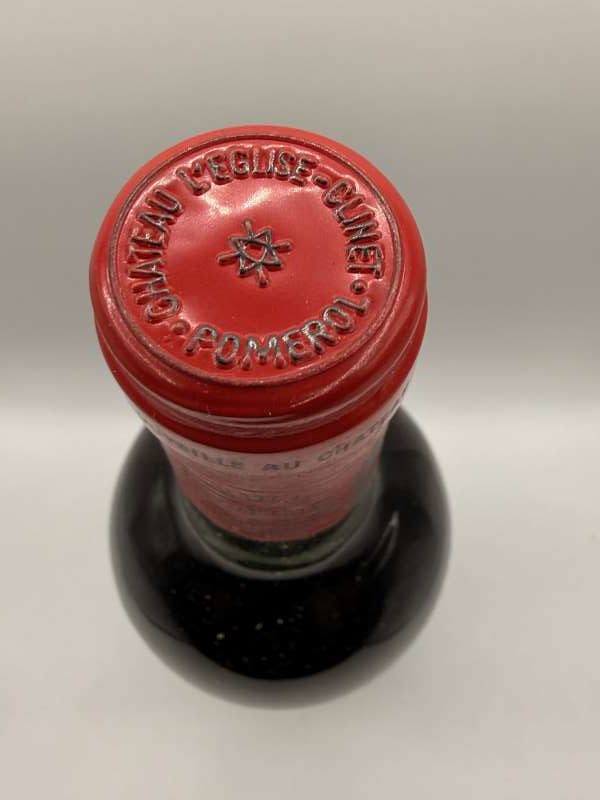
Critics’ Scores
Acclaimed by International Critics
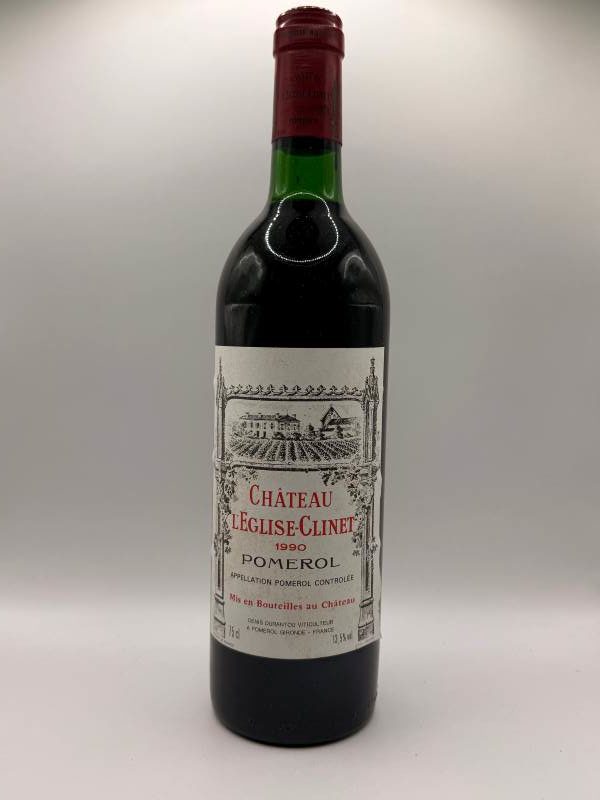
The 1990 l’Église Clinet has garnered significant acclaim from the international wine press, indeed aggregate critic scores consistently place it at 92-93/100. Moreover, this vintage appears prominently among the estate’s “outstanding vintages” alongside 1986, 1988, and 1989. While individual critics’ scores vary across publications, the consensus recognizes this wine as a benchmark expression of both the extraordinary 1990 vintage and Denis Durantou’s transformative stewardship of the estate. Furthermore, the wine’s reputation has only strengthened with time, as collectors and connoisseurs appreciate its remarkable evolution and continued aging potential.
The Estate
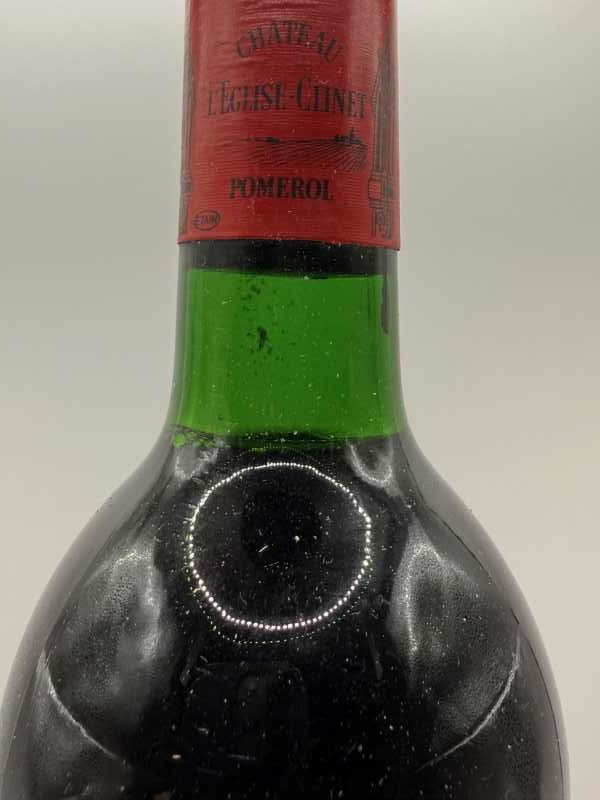
Château l’Église Clinet 1990 — A Defining Vintage
Château l’Église Clinet stands among Pomerol’s most distinguished properties, moreover its reputation soared dramatically following Denis Durantou’s arrival in 1983. Indeed, Durantou transformed this historic estate into one of the appellation’s finest producers through meticulous vineyard management and exacting winemaking standards. The property takes its name from the small church that once stood nearby, while “Clinet” refers to the original founding family.
The 1990 vintage represents a watershed moment for l’Église Clinet, furthermore it remains one of the estate’s legendary bottlings. During this era, Durantou’s innovative approach yielded wines of extraordinary concentration and refinement, consequently establishing the château’s modern reputation. Today, collectors worldwide recognize l’Église Clinet as a benchmark Pomerol producer, yet the estate maintains its relatively modest five-hectare footprint on some of the appellation’s finest terroir.
Terroir & Grapes
Clay-Gravel Plateau of Pomerol
L’Église Clinet’s vineyards occupy a privileged position on Pomerol’s famed clay-gravel plateau, indeed this terroir imparts both power and elegance to the wines. The deep clay subsoil retains moisture during dry periods, while the gravel surface ensures excellent drainage and heat retention. Additionally, the estate’s location near the border with Saint-Émilion benefits from slightly cooler exposures, thus contributing to the wine’s remarkable balance and aromatic complexity.
Grape Blend
Merlot-dominant
Appellation
Pomerol AOC
Country
France
Vinification & Ageing
Precision Winemaking
Denis Durantou crafted the 1990 vintage with meticulous attention to detail, moreover his approach emphasized gentle extraction and extended maceration periods. The estate harvested selectively to capture optimal phenolic ripeness, while fermentation proceeded in temperature-controlled vats to preserve the fruit’s inherent elegance. Subsequently, the wine underwent malolactic fermentation and ageing in French oak barrels, with a significant proportion of new wood lending structure and complexity without overwhelming the Merlot’s sumptuous character. This careful élevage allowed the 1990 to develop its hallmark richness alongside remarkable balance and aging potential.
Vintage Character
The Legendary 1990 Bordeaux Vintage
The 1990 vintage stands as one of the greatest of the 20th century in Bordeaux, indeed it was the hottest growing season since 1947. Record-breaking temperatures in July and August brought exceptional ripeness, while welcome rainfall in late August and early September refreshed the vines without diluting concentration. Moreover, the warm days coupled with cool nights preserved acidity and allowed tannins to ripen fully, consequently producing wines of extraordinary opulence and balance.
For Pomerol specifically, 1990 delivered wines of remarkable complexity and longevity, furthermore properties near the Saint-Émilion border particularly excelled. The wines exhibit a richness and roasted character alongside round textures and beautiful purity of ripe fruit. Additionally, the 1990 l’Église Clinet captures all these vintage hallmarks while expressing the estate’s distinctive terroir and Durantou’s visionary winemaking philosophy.
Tasting Notes
Opulent Concentration, Silken Texture
L’Église Clinet 1990 reveals extraordinary depth and complexity in the glass, moreover its aromatic profile showcases layers of black cherry, cassis, and plum intertwined with notes of truffle, cedar, and sweet tobacco. On the palate, the wine demonstrates remarkable concentration alongside a silken, voluptuous texture that defines the vintage’s character. Furthermore, the tannins have evolved beautifully over three decades, now fully integrated and providing a framework of refinement rather than power. The finish extends magnificently with notes of dark chocolate, espresso, and subtle spice, while the wine maintains impressive freshness despite its opulence. Indeed, this bottle exemplifies how great Pomerol develops tertiary complexity while retaining its essential fruit character and structural integrity.
Service & Pairing
Serving Recommendations
Temperature
16–18°C
Cellaring Peak
Drinking beautifully now
Decanting
1–2 hours recommended
Glassware
Large Bordeaux bowl
This magnificent Pomerol deserves careful decanting to allow its complex aromatics to fully emerge, moreover the wine’s silken texture and concentrated fruit pair beautifully with rich preparations. Consider serving alongside slow-roasted duck breast with cherry gastrique, truffle-enriched risotto, or aged Comté cheese. Additionally, the wine’s opulent character complements beef Wellington, venison with blackberry reduction, or wild mushroom dishes featuring cèpes or chanterelles. The 1990’s evolved complexity also makes it an exceptional meditation wine, yet its structure remains sufficiently robust to stand up to flavorful cuisine without losing refinement.
— Discover —
You Might Also Like
Ready to Order
A masterpiece deserves a place in your cellar.
Secure checkout · Worldwide delivery · 50+ direct suppliers
🌍 Worldwide delivery · Fast & secure shipping
Switzerland · EU · USA · International · winesandspirits.ch
✦ Premium Fine Wine Selection · winesandspirits.ch ✦
🔞 Contains alcohol. Drink responsibly. Sale prohibited to persons under 18.